

Emergency Medicine Residency Program
Emergency Medicine Residency - Pittsburgh
Program Director: Mara Aloi, MD, RDMS
Accreditation: ACGME
Program Length: 3 years (PGY1-PGY3)
Residents per year: 12
About the program
Our Emergency Medicine Residency Training Program prepares residents for all walks of emergency medicine life, including providing emergency medical services (EMS) and serving as EMS advisors to the hospital and community.
A challenging curriculum with a wealth of experience promotes clinical excellence and provides many opportunities for growth. Although our primary goal is to develop excellent emergency medicine clinicians, our expanding research opportunities can lay the groundwork for a rewarding academic career.
Enthusiastic board-certified emergency physicians constitute the program's EM faculty. Through comprehensive clinical experience residents are trained in medical care for acute and life-threatening situations.
The program office and the majority of clinical experiences are at Allegheny General Hospital, which cares for a wide variety of patients with medical, surgical, toxicologic, traumatic and psychiatric problems. Pediatric patients comprise a modest percentage of the Allegheny General Hospital patient population and our program supplements this exposure with rotations at Children's Hospital of Pittsburgh of UPMC.
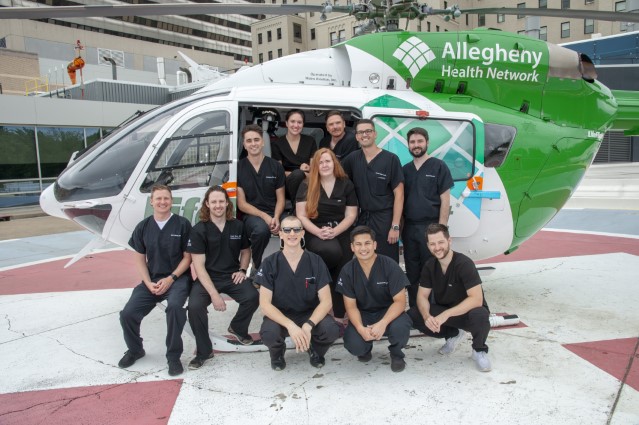
Our LifeFlight program exposes residents to advanced prehospital care in both the interhospital and scene environments. Resident involvement can begin in the first two years, accompanying the flight team in an observation status. After the second year, residents can choose a rotation as a team member, functionally replacing one of the flight nurses. Ground EMS experience begins with the intern riding along with one of our many affiliated EMS agencies. Residents may elect to participate in our Assistant EMS Medical Director program, which allows residents to take ownership of an EMS agency throughout their residency. These residents function under the supervision of the agency's medical director, learning the intricacies of EMS medical direction. Our residents also participate in hospital-wide mass casualty drills and provide medical coverage for regional and national events such as the Pennsic Wars.
Quality assurance activities for the program include daily record review to help ensure proper patient care and educational feedback to the Emergency Department staff. In addition, prospective and retrospective studies are periodically conducted on such topics as diagnostic imaging and electrocardiography results interpretation, resuscitation techniques, infectious disease treatment and patient follow-up.
Director's welcome
Welcome to the Emergency Medicine Residency Program at Allegheny General Hospital, part of the Allegheny Health Network. We are an ACGME-accredited, three-year program located in Pittsburgh, PA. Our program prepares residents for all walks of emergency medicine life. A challenging curriculum with a wealth of experience promotes clinical excellence and provides for future growth. Although our primary goal is to develop outstanding clinicians, something which we have been proudly doing since 1982, our expanding research and teaching opportunities can lay the groundwork for a rewarding academic career. Our graduates are practicing in both academic and community settings throughout the country. We have a diverse faculty with a wide range of interests and areas of expertise who are committed to training the next generation of EM physician leaders.
The program office and the majority of clinical experiences are at Allegheny General Hospital, a Level 1 Trauma center and Comprehensive Stroke Center. Due to our affiliation with a large health system, our residents also get exposure to a variety of other sites, including a Level 2 trauma center and a Women’s Health hospital. Pediatric patients comprise a modest percentage of our patient encounters. Therefore, our program supplements this with rotations at Children’s Hospital of Pittsburgh.
Our LifeFlight program exposes residents to advanced prehospital care in both interhospital and scene environments. Resident involvement can begin in the first 2 years, accompanying the flight team in an observation status. After the 2nd year, residents can choose a rotation as a team member, functionally replacing one of the flight nurses. Ground EMS experience begins with the intern riding along with one of our many affiliated EMS agencies. Residents may elect to participate in our Assistant EMS Medical Director program, which allows residents to take ownership of an EMS agency throughout their residency. These residents operate under the supervision of the agency’s medical director, learning the intricacies of EMS medical direction. Our residents also participate in Event Medicine, providing medical coverage for regional and national events, such as the Pennsic Wars.
Unique aspects of our program include:
- We are a 35-yr old program which has allowed us to develop excellent interdepartmental and interdisciplinary relationships. Our residents and faculty are widely respected throughout the hospital
- High-acuity in our emergency department provides ample resuscitation and procedural experience to our residents (41% Admission and ICU rate)
- A curriculum that places particular emphasis on critical care with 6 ½ ICU rotations (Medical ICU, 2 CCU, Trauma ICU, Neuro ICU, Surgical ICU, Neonatal ICU).
- Outstanding training in emergency point-of-care ultrasound (ED POCUS) which has been in place in our ED since 1985, making it one of the most well-established ED POCUS programs in the country.
- Diverse patient population: our catchment area includes urban, suburban, rural settings
- Simulation education at the STAR center (Simulation, Teaching, and Academic Research center)
- Fellowships in Sports Medicine, EMS, Ultrasound
- Disaster medicine training both on-site and externally with at least 2 MCI exercises per year and the potential for additional training with FEMA
Medical students
We encourage fourth-year medical students who are interested in our residency program to consider a fourth-year medical school rotation at Allegheny General Hospital in Emergency Medicine or a subspecialty elective.
About Graduate Medical Education
The Emergency Medicine Residency program is part of the Graduate Medical Education (GME) opportunities offered by the AHN Medical Education Consortium. Learn more about Graduate Medical Education.
Contact us
Mary Beth Reddington
Fax: (412) 359-4963
Application Information
All applications are handled through the Electronic Residency Application Service® (ERAS®). The deadline for applying is Dec. 1 of the year before desired start of the program. Our program offers PGYI positions through the National Resident Matching Program (NRMP). The Emergency Medicine Residency Program Office will not accept any paper applications.
The completed application includes:
- Personal statement
- Curriculum vitae
- Official transcript from your medical school
- Dean's letter
- Three letters of recommendation (at least one Emergency Medicine)
- USMLE Board scores: It is highly recommended that you schedule Step II early in the year, so your scores will be available at the time of interview.
Foreign Medical Graduates
Your application must also include the following:
- Copy of your ECFMG certificate
- Copies of all ECFMG/FMGEMS/FLEX scores
- Two letters of recommendation must originate from the United States
Interviews
Emergency Medicine (EM) Residency Program are by invitation only. Interviews will be held 2 days per week from October 26th – February 3rd”
Interviews for the EM Residency Program begin at 8:30 AM.
We accept applicants from the following ACGME-accredited residency programs: emergency medicine, internal medicine, physical medicine & rehabilitation and pediatrics.
For more information about your visit, see Allegheny General Hospital directions and parking information. You may also contact us with any questions, including the possibility of discounted rates at local hotels when you visit our program
Curriculum
The Emergency Medicine core content represents the central body of knowledge for the study and practice of emergency medicine. It includes 23 major categories of content divided into appropriate areas of presenting complaints, clinical symptoms, disease states and etiologies. It represents a consensus of opinion of the American Board of Emergency Medicine, the American College of Emergency Physicians and the Society of Academic Emergency Medicine. Although it cannot stand alone, the core content has been used as the framework for the curriculum.
Extensive goals and objectives have been developed for the Emergency Medicine Residency Program based on the core content. These objectives are met through conferences, procedure laboratories, clinical teaching, journal clubs and other academic activities, described in the following sections:
Clinical Rotations (by year)
Didactic Experiences
The curriculum is reviewed annually at resident and staff physician meetings.
Clinical rotations
First year (PGY1)
PGY1 residents in Emergency Medicine gain a strong foundation in the broad field of medicine predominantly through exposure to multiple medical specialties. The first year focuses on aspects of medical & cardiac intensive care units, emergency medicine, obstetrics and gynecology, anesthesiology, and pediatric emergency medicine.
Primary skills to be developed include taking medical histories, performing physical examinations, using ancillary laboratory and radiologic studies and developing individual treatment plans.
EM 1
- Orientation / Emergency Medicine
- Emergency Medicine (4 Blocks)
- Medical ICU
- CCU
- Anesthesia / Selective
- OB
- SICU
- Ultrasound
- Pediatric EM
- Community ED
Second year (PGY2)
In PGY2, Emergency Medicine residents are expected to refine their skills in individual patient evaluation and management with particular emphasis on life threatening disorders. In the Emergency Department, residents develop major manipulative /procedural skills necessary to aid patients with a variety of disorders. Much of the second-year training involves critical care rotations, including the Coronary Care Unit, the Trauma Service, and the Neuro Intensive Care Unit.
Responsibilities as a PGY2 resident include assistance with instruction of medical students and junior house staff as well as serving as medical command physicians for ground ambulance units.
EM 2
- Emergency Medicine (5½ Blocks)
- Community Emergency Medicine
- Pediatric EM
- Trauma ICU
- Orthopedics
- CCU
- SONO- 2 weeks
- ELECTIVE
- Neuro ICU
The third year (PGY3)
In PGY3, Emergency Medicine residents fine-tune both patient care and administrative skills. As team leaders, they are responsible for managing patients with acute and life-threatening disorders. Rotations include one month as the Emergency Department trauma resuscitator. The bulk of PGY3 is spent in the Emergency Department providing patient care, as well as leadership and teaching of other residents and students. PGY3 residents gain valuable prehospital critical care experience on the LifeFlight rotation and serve as medical command physicians for LifeFlight. Continued refinement of primary care as well as consultative skills is stressed.
EM 3
- Emergency Medicine (7 1/2 Blocks)
- Life Flight / EMS
- Elective
- Trauma Resuscitation
- Community ED
- Pediatric Emergency Medicine
- Pediatric CCM- 2 weeks
*Electives
- ENT
- Oral and Maxillofacial Surgery
- Ophthalmology
- Orthopedics / Sports Medicine
- Toxicology (AGH or External Site)
- Radiology
- Ultrasound
- International Emergency Medicine
- Pulmonary (Hyperbaric Oxygen Therapy)
- Cardiology / Electrophysiology
- Dermatology
- Administration
- EMS (Ground, LifeFlight, Tactical)
- Education / Simulation
- Palliative Care
- Burn Unit
- Indian Health Service
- Urban Outreach (Operation Safety Net)
- Research
- Disaster Medicine
- Wilderness Medicine
- Anesthesia: Nerve Blocks
- Neonatal ICU
Other electives may also be arranged according to resident interest.
Didactic experiences
The Emergency Medicine (EM) Residency Program include the following didactic experiences:
Core content lecture series
- Formal lectures by faculty, guest speakers, and residents*
- Held every Thursday from 7 a.m. to 12 noon
- Protected lecture time, allowing attendance while on most off-service rotations
- Lecture schedule allows coverage of the Core Curriculum every 18 months
Journal Club
- Presentation of selected articles with discussion by residents and faculty
- Held monthly
Morbidity and Mortality Conference
- Case presentation and discussion by residents guided by faculty
- Held 1-2 times per month
Mass Casualty Training Courses
- Didactic and hands-on training for mass casualty events. Includes orientation to triage, ED and hospital policy, local and regional administration, and introduction to several aspects of caring for victims of natural and man-made disasters
- Held biannually, at a minimum
Oral Board Simulation Sessions
- One-on-one practice sessions designed to optimize resident preparedness for the Oral portion of the ABEM board exam
- Held biannually, at a minimum
Resident Retreat
- Each year, residents celebrate completion of the inservice exam at a 2-day event that includes both relaxation and educational activities
- Held annually
Faculty
Residents
Chief Residents
Three Chief Residents are selected from each senior class to serve as Chiefs during their senior (PGY-3) year. Chief residents are chosen by program faculty and residents with the final decision made by the Program Director (PD). Criteria used in selecting Chief Residents include: exemplary service to the program, clinical excellence, humanity, professionalism and proven aptitude for leadership and teaching. Chiefs work closely with the Program Director, Associate Program Director's and Program Coordinator's to facilitate all aspects of the administration of the residency program. This Chief Resident position provides enhanced preparation for academic and leadership roles in emergency medicine.
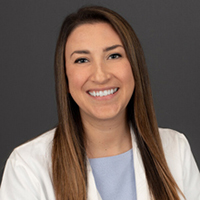
Lake Erie College of Osteopathic Medicine
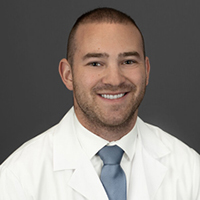
University of Maryland School of Medicine
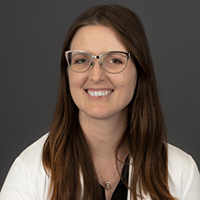
Oregon Health and Science University School of Medicine
Third-Year Residents
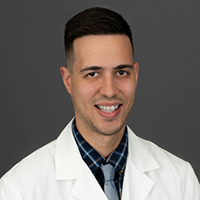
Medical University of South Carolina College of Medicine
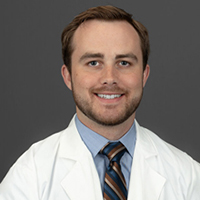
Eastern Virginia Medical School
Lake Erie College of Osteopathic Medicine
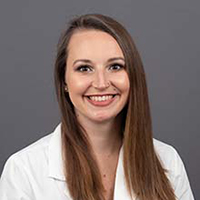
West Virginia School of Osteopathic Medicine
University of Maryland School of Medicine
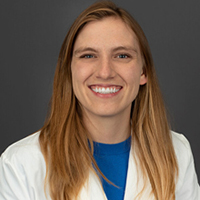
West Virginia University School of Medicine
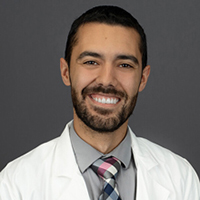
State University of New York Upstate Medical University

George Washington University School of Medicine
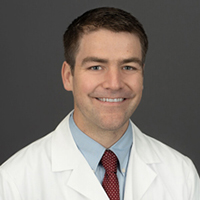
University of Wisconsin School of Medicine and Public Health
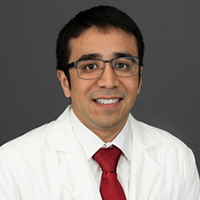
University of Texas Medical Branch SOM
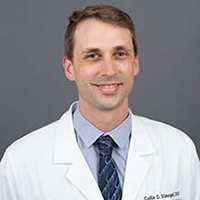
Liberty University College of Osteopathic Medicine
Oregon Health and Science University
School of Medicine

Lake Erie College of Osteopathic Medicine
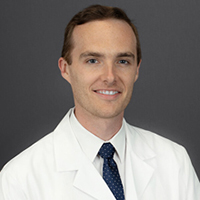
Indiana University School of Medicine
Second-Year Residents
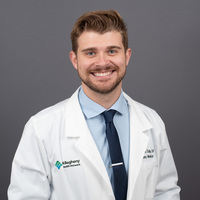
Lake Erie College of Osteopathic Medicine
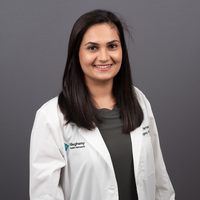
Wayne State University School of Medicine
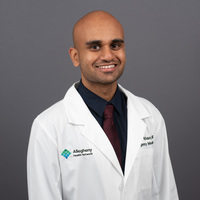
Virginia Tech Carilion School of Medicine
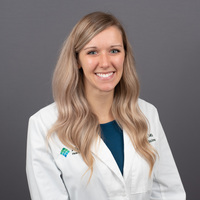
Northeast Ohio Medical University
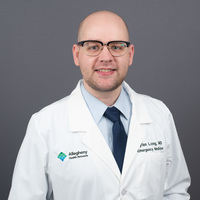
Indiana University School of Medicine
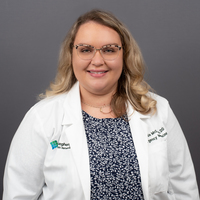
Lake Erie College of Osteopathic Medicine
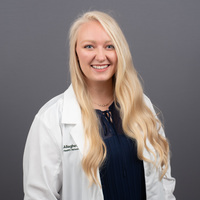
Wright State University Boonshoft School of Medicine
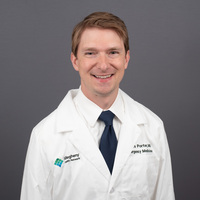
University of Pittsburgh School of Medicine
State University of New York Upstate Medical University
Lake Erie College of Osteopathic Medicine
Texas A & M Health Science Center College of Medicine
Nova Southeastern University College of Osteopathic Medicine
First-Year Residents
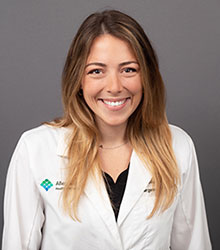
Lake Erie College of Osteopathic Medicine, Seton Hill
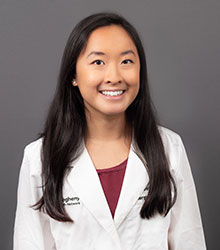
Boston University School of Medicine
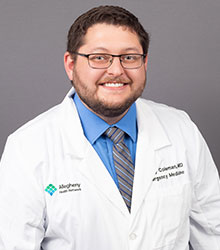
Geisinger Commonwealth School of Medicine
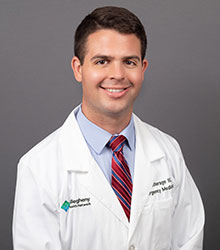
Wright State University Boonshoft School of Medicine
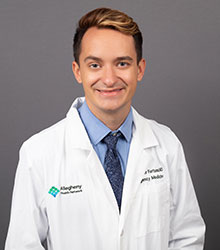
Ohio State University College of Medicine and Public Health
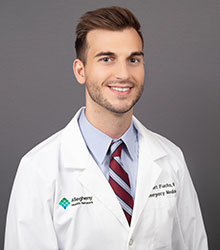
Virginia Commonwealth University School of Medicine
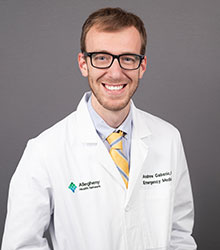
Ohio State University College of Medicine and Public Health
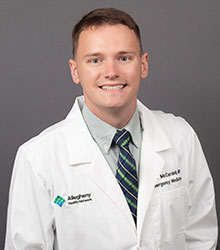
Lewis Katz School of Medicine at Temple University
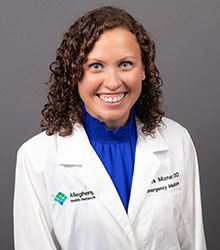
Lake Erie College of Osteopathic Medicine, Erie
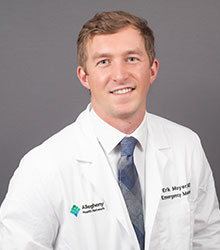
Geisinger Commonwealth School of Medicine
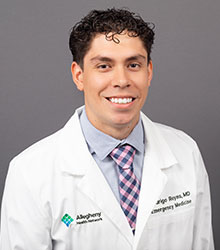
West Virginia University School of Medicine
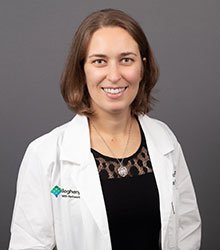
Drexel University College of Medicine
2021 Graduates
Class of 2021 – Congratulations to our graduates – The program is proud of you!
Ryan Arthur, MD
Beloit Memorial Hospital - Beloit, WI
Stoughton Hospital - Stoughton, WI
Ryan Bartosh, MD
AHN Armstrong Hospital - Kittanning, PA
Research
Emergency Medicine Residents are strongly encouraged to become involved in research. The Department of Emergency Medicine’s Research Program conducts high quality industry sponsored and Investigator-initiated research.
Research projects that are currently being conducted by our residents and faculty include:
- The Use of Eye Movement Tracking to Detect Oculomotor Abnormality in Traumatic Brain Injury Patients (DETECT)
- Biomarkers of Acute Stroke Etiology (BASE)
- A Phase III, multi-center, double blind, randomized, active controlled clinical trial to evaluate the Non-Inferiority comparing Cetirizine Injection 10 mg to Diphenhydramine Injection, 50 mg, for the treatment of acute urticarial
- Prospective, Open-Label Study of Andexanet Alfa in Patients Receiving a Factor Xa Inhibitor who have Acute Major Bleeding
We are also a proud member of the NIH-funded Network for Emergency Care Clinical Trials: Strategies to Innovate Emergency Care Clinical Trials Network (SIREN). Our site is participating in this network and all associated all grant-funded clinical trials with the University of Pittsburgh’s Department of Emergency Medicine.
Contact the Emergency Medicine Residency Program
Contact us
Emergency Medicine Residency Program
Mary Beth Reddington, Program Coordinator
Mailing address:
Allegheny General Hospital, Level 01
320 East North Avenue
Pittsburgh, PA 15212
Phone: (412) 359-4905
Fax: (412) 359-4963